

The machine runs again, so the job is closed. That is usually the whole of the evidence.
It turns, therefore it is fine — A running machine is the only test most repairs get, and it runs just as willingly with a coupling left off centre.
The repair can add a fault of its own — A foot not pulled down, a belt over-tensioned, a shaft a fraction out of line: the new part starts wearing from the first day.
The box is not always the part — A cheaper bearing fits perfectly and fails early, and nothing on the day of the repair tells you which one you got.
You find out at the next failure — And by then it looks like bad luck rather than a repair that did not hold.
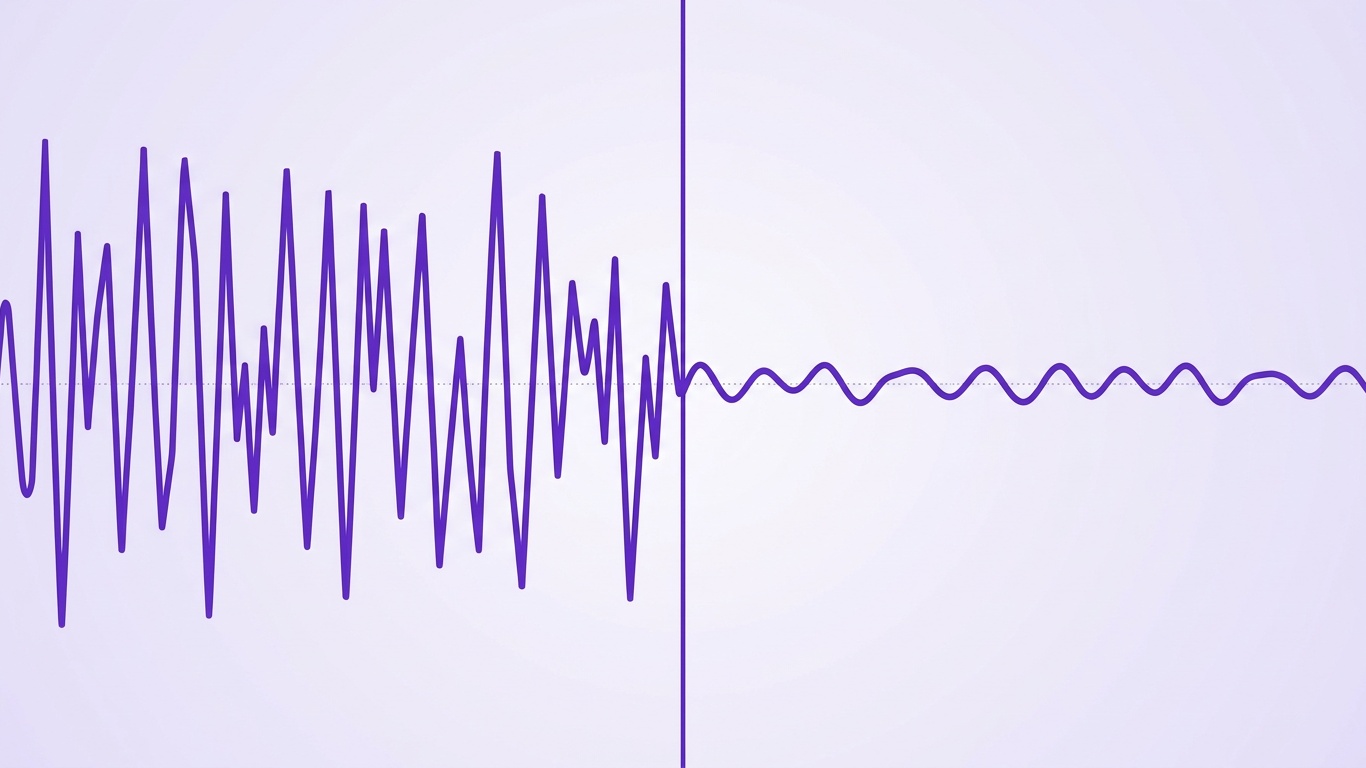
The same points, the same speed, the same measurement — taken twice.
Back to its own baseline — The target is not a figure from a book, it is the level this machine ran at while it was healthy.
A repair that changed nothing shows immediately — If the level sits where it was, the cause was not the part that was replaced.
Outside work has evidence behind it — Where a contractor does the job, both sides are looking at the same number instead of at the acceptance sheet.
The new part starts its own history — The reading after the work becomes the reference the machine is watched against from then on.
Nothing extra to organise — The sensor is already on the machine, so the comparison costs a look, not a visit.
Know that the money spent on the repair actually bought something.